
Why Group Membership May Be the Next Growth Model for Associations

Embrace Organizational Membership Unlocking Growth For The Future

Organizational Membership: The Future Of Membership Growth

Group Membership is Not a Growth Strategy

Many associations have “group” membership, which usually amounts to a modest volume discount, sometimes with a single invoice. The idea is that companies will want to pay for their employees’ memberships if they get a price break and a convenient way to pay. Unfortunately, these group membership plans do not do very well and are mostly an afterthought in the membership strategy. 

The problem is that companies don’t want to pay for any employee’s membership. Or at least far fewer companies do. Most organizations stopped paying employees’ membership dues when times got tough and never started again. Eventually, organizations realized it was unnecessary since employees who really want a membership are willing to pay for it themselves. 

Organizational Membership is the New Path to Growth

Organizational membership is an entirely different value proposition. It is a B2B offering designed with the executive decision-maker in mind. Discounts on individual memberships are but a part of it. The real magic in the offering is a distinct set of benefits that speak to the needs of the executives who make the decision. These are things that benefit the company and the executives themselves. 

What kinds of things? They must be things that have demonstrable financial value and elevate the decision-maker’s profile. They could include: 

There are two things to note about this list. First, these are things that only the association can provide but doesn’t offer now. Second, they have real bottom-line value to a corporation at a minimal cost to the association to deliver.  

This kind of offer works because it is a great business decision for the company. It has clear value and is easy to justify financially. 

Organizational Value is Worth Far More Than Dues

Associations think about dues, which is exactly right for the individual lens and dead wrong for organizations. Why? The value to the organization is not a matter of how many employees they sign up for membership; it is the tangible financial impact they will receive. How much is $1 million in savings worth to an organization? 

Corporations expect to pay for things this way—the greater the value, the more things cost. In organizational membership, larger companies generally get more value than smaller ones and thus pay more. A large organization might pay $100K for that $1 million in value. A smaller one might get less and so pay less. 

This value-based pricing is uncomfortable for many associations, but it is critical to effectively selling organizational memberships. 

An Explosive Growth Opportunity

A prominent medical society Sequence worked with launched an organizational membership with overwhelming success. They designed the membership for large health systems that employ physicians. They offer a suite of benefits, including inside access, publicity, burnout prevention, early access to residents for recruiting, and free continuing education. In addition, all of the physicians in the system are eligible for individual membership at no cost. 

The cost is value-based, ranging from a flat fee of $15k for smaller systems to $100K for large ones. The price does not depend on the number of individual memberships. Health systems sign up for the tangible financial value they receive. 

In the first year, 5,000 new physicians came in through enterprise membership, so many that they had to pause the program because they could not onboard them fast enough. Some of the largest systems have enrolled as many as 15K physicians. The association projects that more than half of its new members will join through organizational membership in a few years.

The Key is to Sell It the Right Way

What were the keys to success? First, an incredibly attractive set of benefits based on thorough research. Second, a convincing financial case. Finally, and most importantly, sales. 

Organizational membership is a B2B sale. It takes time and skill to reach and persuade the right buyers. In this case, it meant a sales resource dedicated to building this program, armed with the quality of sales materials executive buyers expect. It also meant solid executive support: the CEO will personally engage with executives at large systems to help convince them.  

Their vision and investment paid off. Other Sequence clients have had equivalent success with organizational membership programs custom-tailored for their markets. For example, the Executive’s Club of Chicago doubled its membership in three years after rolling out a new Enterprise Member value proposition. 

In another example, SAE International launched a subsidiary focused solely on the needs of companies in their industry and grew their non-dues revenue ten times over.  

How to Minimize the Risk

While the payoff can be very substantial, it can come with some risks. One concern is how much it might “cannibalize” individual membership. The risk is that organizational membership might ultimately decrease net revenue by offering discounted memberships to individuals who would have paid full price. 

It is a valid question that one can answer with good data analysis. Unless market penetration is exceptionally high, the revenue gains will outweigh the discounts in most cases. 

There is also a risk that big groups that join at once might leave at once, creating excessive volatility in membership. To reduce this risk, one can mitigate this with thoughtful multi-year contracts that include extended notice provisions and other safeguards.

The Future of Membership Growth

For many associations, individual membership has reached a plateau. Growth is meager, despite their best efforts, and it is unrealistic to expect big jumps in growth from doing the same old things. A new model is needed. 

Organizational membership allows associations to repurpose assets they already have to enter a new market where they have an immediate competitive advantage — and do so at a very low cost. The revenue and membership growth opportunities are significant. Too significant not to explore seriously.


Ready to See What's Next for Your Association?

We help associations achieve results that last — from tripling growth to transforming revenue.

Have questions before we talk? Ask us here.

What Today’s Members Expect from Associations

Association Member Expectations Feature
Author: Debbie Willis

Professional Development as a Career Catalyst

Today’s job market is incredibly competitive. Members want skills they can use immediately to get a leg up in their roles. While high-level industry news is helpful, the real draw is specialized training that offers a clear return on investment. People want resources that help them navigate specific challenges or prepare them for the next step in their careers.


This means your association needs to offer engaging learning opportunities, such as:


    • Certifications that help members maintain professional standing
    • Asynchronous virtual courses that allow for self-paced learning
    • Micro-credentialing and digital badges that validate niche expertise for professional profiles
    • On-demand libraries that consolidate resources like downloadable guides and industry whitepapers
    • Peer-led community groups that facilitate deep dives into specific industry challenges and collective problem-solving
    • Workshops that provide interactive training for emerging industry tools or trending topics


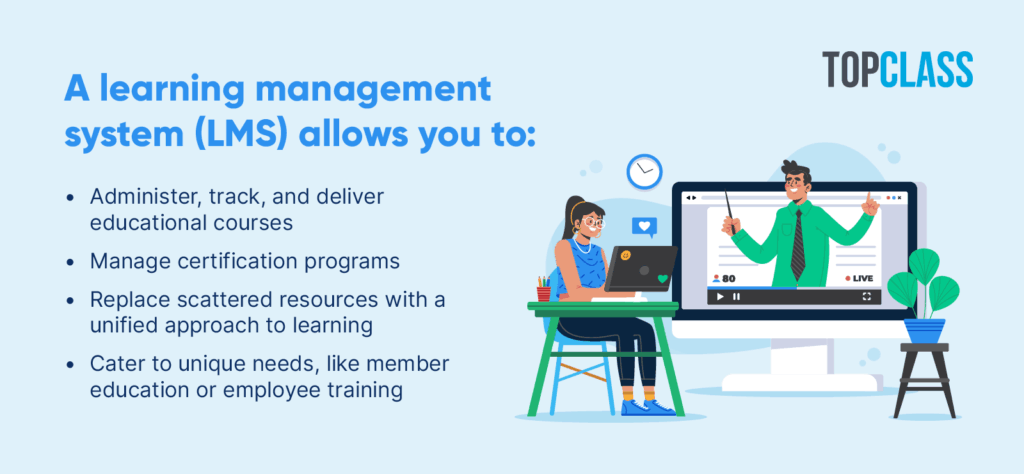
To power your learning program, you’ll need a learning management system (LMS). TopClass explains that an LMS helps deliver and track educational courses and certification programs. By choosing one built for associations, you can deliver a personalized experience that consolidates your association’s training resources into one easily accessible spot. It lets you provide self-paced learning, live webinars, interactive workshops, downloadable templates/worksheets, assessments, and podcasts.

Association Member Expectations Lms Benefits

However you configure your program, aim to help members stay ahead of the curve. Offering valuable learning opportunities turns your association into an indispensable part of members’ careers.

An Active Member Community for Networking

The old style of networking, which often meant trading business cards in a crowded room, has evolved into a search for real community. Members want a space where they can talk shop with people who truly understand the daily grind of their specific niche.

Your association can meet this need by creating valuable networking opportunities, such as:

    • An active online community where members share insights, ask peers questions, and crowdsource solutions to immediate workplace problems.
    • An online directory where they can find nearby members or those in specific roles and message them to build localized networks.
    • Focused interest groups where people feel comfortable asking questions and diving into technical topics.
    • Networking mixers that prioritize structured engagement over small talk to allow for meaningful professional introductions.

Peer-to-peer connections drive people to stay at your organization long-term. By facilitating these connections, you help members find their tribe within the larger industry.

For each of these opportunities, create strategies to fuel connections. For example, Higher Logic’s online community engagement guide recommends publishing seed content in your online forums. To do this, source potential questions from a subset of members (chapter/user group leaders, active members, etc.). Then, your community manager or the members themselves can post the question in your online community to start conversations.

As you try different strategies, pay attention to engagement metrics (like active users, post engagement rate, etc.) to see what’s working.

Meaningful Events for Hands-On Engagement

The bar for association events is higher than ever. Members no longer travel just for information they can find on Google. Instead, they travel for career transformation. If an event feels like a one-way broadcast, there’s a good chance attendees will tune out and skip the next one.


Fill your calendar with a variety of event formats:


    • Conferences and Conventions: Large-scale gatherings focusing on industry-wide learning, high-level networking, and long-term professional growth
    • Networking Mixers: Informal opportunities for members to expand their peer networks
    • Educational Seminars and Workshops: Focused sessions designed for deep-dive skill acquisition and solving specific professional challenges through active learning
    • Trade Shows and Expos: Interactive marketplaces where members can discover the latest products, technology, and services
    • Annual Meetings: Sessions where your association shares progress, elects leadership, and aligns on the strategic vision for the coming year
    • Fundraisers: Events that celebrate the industry and secure financial support for critical advocacy initiatives


While some events may be open to the public, make sure your members-only discounts for those events and members-exclusive events make an annual membership worth it, too.


Offering a mix of high-production events and low-friction local options provides constant engagement and drives greater member retention. By diversifying your event strategy, you can become a year-round presence in your members’ professional lives. When members feel connected through regular events, they’re far more likely to see their membership as a non-negotiable professional asset.

Flexible Memberships to Meet Individual Needs

The one-size-fits-all approach to membership is becoming a thing of the past. Today’s professionals expect options that reflect where they are in their careers, whether they’re young professionals or veteran executives.


Offering flexible membership tiers can help you reach a wider audience. This might mean student memberships, digital-only tiers, or premium tiers for those who want every perk. To price your dues fairly, consider how members perceive your association’s value. You might:


    • Survey members. By asking members to rank the importance of different benefits, you can spot gaps where they feel they’re paying for things they don’t value, allowing you to create targeted, “lighter” tiers.
    • Look at member usage data. Pay attention to popular member benefits. An integrated LMS is particularly valuable here because it provides clear reports on which courses and resources are most popular, helping you decide which features to include in your high-value tiers.
    • Analyze competitors’ strategies. Look at peer organizations to see how they frame their value. Don’t necessarily copy their prices. Instead, analyze them to understand how you can position your unique benefits to justify your own pricing.


After gathering these insights, use them to map specific benefits to distinct member personas. For example, you can bundle high-demand digital resources into an entry-level tier for early-career professionals while reserving high-touch networking and advocacy access for a premium Executive tier that justifies a higher price point.


Flexible membership options let you meet members where they are. Whether they need a full-access pass or a lower-priced basic tier, a flexible approach ensures that your dues always feel like a fair trade for the value they provide.

Wrapping Up

The way people interact with associations is changing, and that’s actually great news for organizations willing to listen! By focusing on career growth, real community, and flexible options, you can build a membership model that people are excited to join.


When you align your strategy with what members actually need today, your association becomes much more than just a line item in a budget. It becomes a vital resource that helps members succeed year after year.

Ready to See What's Next for Your Association?

We help associations achieve results that last — from tripling growth to transforming revenue.
Have questions before we talk? Ask us here.

How To Attract & Recruit Younger Members To Your Association

Recruiting Younger Members Feature
Author: Debbie Willis

Gen Z is more connected, tech-savvy, and driven by purpose than generations before theirs. As they enter the workforce, they’re looking for organizations that reflect their values, offer flexibility, and create opportunities for growth. These individuals have high expectations for their memberships. They want meaningful engagement opportunities and a sense of belonging within the communities they join.


Associations like yours are constantly challenged to be relevant to the next generation of potential members. By embracing modern trends, you can create a membership experience that resonates with younger demographics and encourages them to join your program. Let’s explore key strategies for connecting with young professionals.

Focus on Professional Development

LinkedIn’s 2024 Workplace Learning Report found that 8 in 10 people believe learning adds purpose to their work. Today’s employees are seeking out and spending more time on learning and development (L&D) opportunities that:


  • Help make progress towards career goals
  • Keep them up-to-date in their fields
  • Are personalized for their interests and career goals


Gen Z is particularly interested in learning opportunities that fuel professional progress. 53% of Gen Z agreed that learning allows them to explore potential career paths at their companies. That’s 16 percentage points higher than the Millennials, Gen Xers, and Baby Boomers who were surveyed!


L&D is one of the primary reasons people join associations, especially for individuals who are just starting out in the field. It brings them up to speed by offering training that their employers might not provide. 

Creating Your Professional Development Opportunities

Learning comes in many forms! You might provide workshops, mentorship programs, industry reports, or interactive courses that fuel growth. Consider offering a variety of opportunities to cater to different learning styles.


One of the best emerging opportunities is online courses. This form of eLearning combines the power of effective professional development with the convenience of the online space.

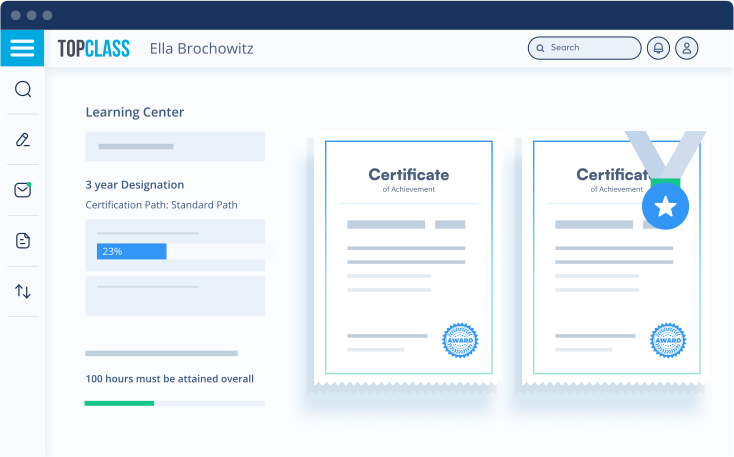
Using an association LMS, you can create tailored learning pathways that allow members to chart their own development journeys and choose opportunities that align with their professional goals. You’ll create a structured sequence of courses that guide learners through a specific topic or skill development process. Members can complete courses at their own pace, earn relevant certifications, and ultimately fuel their own development.

How To Attract Recruit Younger Members To Your Association

Let’s say you’re creating a professional development pathway for marketing professionals. You might offer these modules:


  • Module 1: Introduction to Digital Marketing – A course that covers the fundamentals of digital marketing with the goal of understanding key marketing concepts and tools
  • Module 2: Social Media Marketing – A course focusing on social media content creation, paid social ads, and audience engagement strategies
  • Module 3: SEM Strategies – A deeper dive into search engine marketing (SEM) that explores topics like keyword research, on-page SEO, and PPC campaigns
  • Module 4: Data-Driven Marketing – Insights into collecting, analyzing, and using marketing data, covering topics like Google Analytics, data visualization, customer segmentation, and A/B testing
  • Assessment: Marketing Professional Certification – An exam that tests knowledge and skills gained through the pathway in order to earn an official certification


Learning pathways are effective for personalizing engagement opportunities at scale. Depending on your LMS, you might be able to create your own courses or use prebuilt content and resources. You can even offer industry-recognized certifications that appeal to younger members who are looking to improve their resumes.


TopClass recommends choosing an LMS that integrates with other technologies, like your online community platform and member management system. You’ll be able to provide easy access to L&D opportunities, create more tailored learning paths for each user, track progress, and create collaborative learning experiences.

Embrace Digital Transformation

Younger generations prioritize convenience, flexibility, and accessibility, which makes embracing digital tools crucial for associations.


Digital engagement opportunities break down geographical barriers and offer instant access to content, making it easier for members to participate on their terms. By adopting these tools, associations can better reach younger members who value efficiency and on-demand access.


Digital transformation doesn’t stop with eLearning, so let’s explore some additional digital engagement opportunities for connecting with younger generations.

Online Events

Virtual events and webinars provide an accessible way to engage members without the barriers of location or travel costs. These events can be accessed from anywhere, at any time, offering a convenient option for busy, tech-savvy members.


If you have an online community, you can create a dedicated space where members can register for upcoming events, join live sessions, and view recorded content. Consider hosting different types of online events that provide value to members, such as industry-specific webinars, career development workshops, networking events, or panel discussions.


Make these events interactive by offering opportunities like:


  • Breakout rooms for smaller, focused discussions that allow attendees to network or dive deeper into specific topics in an intimate setting.
  • Chat functionality to allow participants to share thoughts, ask questions, and interact with speakers and fellow attendees.
  • Live polling to encourage members to voice opinions or participate in fun quizzes during sessions.


Virtual event tools like Zoom offer these interactive features, helping you create more engaging event experiences.

Mobile App

Younger generations value the flexibility that their mobile devices offer. A mobile app for your association allows members to engage in discussions, browse events, and access learning materials anytime, anywhere on their smartphones.


With a mobile app, members can take courses, track their progress, or complete certifications on the go, so they can integrate learning into their daily routines. For younger, tech-savvy members, this flexibility is a key draw.


Clowder highlights several mobile app features for associations that draw engagement, such as:


  • A newsfeed to keep members updated with the latest announcements and content related to their interests
  • A resource library to access whitepapers, case studies, courses, and other educational materials
  • Member forums that allow members to discuss topics, share knowledge, and solve problems together
  • One-to-one messaging that enables members to connect with others directly, share opportunities, and seek advice
  • Group and chapter segmentation to organize members based on geographic area and professional interests, which is great for fostering micro-communities within your association
  • Event and conference management so members can discover, register, and plan out their participation in your association’s events.


You’ll also be able to send push notifications to keep members informed about new courses, upcoming events, or other important updates. With timely reminders and updates, they’ll never be out of the loop!

Offer Flexible Membership Options

Younger members often have different needs when joining associations, such as affordability, flexibility, and the opportunity to explore membership benefits before committing. To make a membership offer that younger generations can’t refuse, you’ll need to consider these needs and preferences.


You might implement tiered membership options, allowing members to choose the level of benefits that best suit their preferences and budget. For example, a basic tier could offer access to essential resources, while a premium tier could provide additional perks like exclusive content or networking opportunities. Additionally, offering discounts to students or early-career professionals can make membership more accessible to younger members who may be on a tighter budget.


To take flexibility one step further, consider offering shorter commitment periods, such as a six-month trial membership. This gives newer members the chance to determine your association’s value before committing to a longer-term membership.

Younger members often have different needs when joining associations, such as affordability, flexibility, and the opportunity to explore membership benefits before committing. To make a membership offer that younger generations can’t refuse, you’ll need to consider these needs and preferences.

You might implement tiered membership options, allowing members to choose the level of benefits that best suit their preferences and budget. For example, a basic tier could offer access to essential resources, while a premium tier could provide additional perks like exclusive content or networking opportunities. Additionally, offering discounts to students or early-career professionals can make membership more accessible to younger members who may be on a tighter budget.

To take flexibility one step further, consider offering shorter commitment periods, such as a six-month trial membership. This gives newer members the chance to determine your association’s value before committing to a longer-term membership.

Foster a Sense of Community

For many younger professionals who are just entering the field, forming connections and building a network is a major benefit of association membership. A strong sense of community provides a support system and helps them navigate their careers with greater confidence.


An online community is an invaluable tool for fostering this sense of belonging. It serves as a one-stop shop for association activities, including events, networking, membership management, and learning opportunities. By centralizing these opportunities into one platform, you make engaging with your association’s community a breeze!


When implementing your LMS, check whether it offers social learning features, such as discussion forums or group collaboration. This enables members to connect over shared learning experiences and helps build a supportive community that keeps younger members engaged in your association.


In addition to online opportunities, you might offer social events, such as informal meetups, networking events, and community volunteer opportunities. Forming interest-based groups or committees also gives members a chance to collaborate on shared goals and passions.

Start Improving Your Membership Program!

The future of your association lies in the hands of the next generation of leaders. Younger professionals have different preferences, values, and expectations from older generations. To remain relevant and grow, your association should evolve its strategies to meet these needs.


By focusing on the elements we suggested, you’ll create unique value that younger professionals won’t want to pass up. 


Get started by evaluating your current opportunities. Do you provide plenty of online opportunities, particularly for learning? Are your membership options flexible? Can you do more to create a vibrant community? Focus on improving one of these areas to start and watch as your members become more active!

Ready to See What's Next for Your Association?

We help associations achieve results that last — from tripling growth to transforming revenue.

Have questions before we talk? Ask us here.