
How to Become Your Members’ First Choice

Member Value Proposition

Are You Your Members’ First Choice?

Do most of your members belong to other associations? If they had to pick one, would it be you? If the answer is no, you may be a second society. Members’ first choice will always be the organization with the member value proposition most closely aligned with what they do for a living, where they can find the resources and experiences specific to their field—the one they must belong to do their job well.

The Struggles of a Second Society

The first challenge is that you are optional, so you must make an excellent case for membership. Moreover, you are one of many options. You may be the third, fourth, or even lower choice. People have limited time and money to invest in membership, and you must compete for them. And when times get tough, you are at the top of the list to drop. When the boss stops paying, or the paycheck stops stretching, you are a much easier “no” than their number one choice. This shows up as low retention or cyclical membership that booms and busts with the economy.

Too Much and Too Much of the Same

Members choose their first society because it meets their professional needs so well. Most of what they need to do their job, they get there. The member value proposition could not be more clear. They join second societies to fill in gaps in their sub-specialties, interests, and networks. But is that member value proposition clear?

The answer often is no, for two reasons: First, they often do many of the same things primary associations do, only less well. Primary societies are deep and focused. They concentrate their resources on serving the core professional needs of their members. Second societies cannot beat them at their own game, but they all too often try.

The second reason is that they try to do too much. They want to meet as many of their members’ needs as possible, but so does everyone else in their space; so many weak offerings overlap and fail to inspire people to choose them.

When the boss stops paying, or the paycheck stops stretching, you are a much easier “no” than their number one choice.

The Vacation Home Analogy

Second societies are like vacation homes. No one needs a reason to stay home this weekend, but they need a reason to make the trip to the lake house. It needs something pretty special you can’t get at home or by going to a hotel. A great vacation home fills a white space in your life. You go there to get something you don’t get someplace else. It doesn’t have everything, but what it does have is special. Not to torture the analogy, but a great vacation home has the right to win your free time.

Your Right to Win

So, how do you get the right to win? Wee Willie Keeler, one of the best baseball hitters ever, said it best: “Keep your eyes clear and hit ‘em where they ain’t.” In other words, find the white space and offer something your competitors can’t. A lot of what you do may overlap with others. Ask yourself what doesn’t. What can you do that others in your space cannot?

For example, one Sequence client was focused on urban development, a space with professionals from many walks of life: developers, investors, urban planners, and so on. Many members belonged to nine or more associations to meet their professional needs. So where was the white space? It became clear that this association was the only place all those different people could come together to solve problems. They alone could convene those kinds of curated, trusted environments, so much that their most exclusive work groups cost thousands of dollars, which members line up to pay.

A lot of what you do may overlap with others. Ask yourself what doesn’t. What can you do that others in your space cannot?

Another Sequence client was in the food space, serving scientists and technicians from dozens of different disciplines, who, on average, belonged to four or more associations. They found their right to win in the space between all those scientific fields. They could provide connections, community, and trusted information that cut across the entire industry, something members needed badly, and no one else could provide. This allowed them to double down on the white space and stop doing things other societies did better that had little value for the organization.

Conclusion: A Winning Member Value Proposition

Successful organizations embrace their not-first-choice position and go all-in on well-defined spaces where they have a clear right to win. The key to finding that winning member value proposition is understanding what your members need that no one else is giving them and meeting it in a way only you can. If you become world-class at doing that, your association will thrive.

Ready to See What's Next for Your Association?

We help associations achieve results that last — from tripling growth to transforming revenue.

Have questions before we talk? Ask us here.

How Associations Can Raise Dues Without Losing Trust

Unlock Financial Growth 3 Essential Rules To Raise Membership Dues

Is Your Association Leaving Money On The Table?

Many associations underprice membership for years, then treat a dues increase like a political risk instead of a strategic decision. The result is usually the same: too much delay, too much anxiety, and a larger increase than members would have accepted if the organization had acted earlier.

In reality, though, associations are often more worried about dues increases than their members are. By following a few simple guidelines, you can successfully raise dues with minimal resistance from your members.

The Best Financial Decision You Can Make

Increasing membership fees is a wise financial choice. Why? Firstly, every additional dollar of dues directly contributes to your overall profit. It brings in more revenue without any extra expenses. The benefits accumulate over time. A dues increase generates additional income for years to come. A 5% increase today will result in a significant 60% rise in revenue over a decade. 

Above all, it’s a fair decision. In any good relationship, there should be a balanced exchange of value. You receive what you pay for, and you pay for what you receive. Member relationships are no exception. As professionals, you provide substantial value, and it’s only reasonable for your members to contribute accordingly. They operate their businesses in the same manner.

To effectively raise dues and gain support from your members, your organization should consider three essential steps. These actions will help you determine the appropriate dues level and provide a solid justification for the increase.

Sequence helps associations approach dues increases as part of a larger membership model strategy, connecting pricing, value, structure, and long-term growth.

A 5% increase today will result in a significant 60% rise in revenue over a decade. This can be a game-changer for many associations.

1. Know Your Benchmarks

Dues decisions should be grounded in cost to serve, comparative pricing, and a credible view of member value.

Profitability is a crucial benchmark for any organization, including nonprofits. Ensuring that your revenue from dues surpasses the cost of serving your members is essential. Understanding the “Cost to Serve” metric is vital—it encompasses the total expenses associated with providing membership benefits. Surprisingly, many associations have yet to calculate this and are often taken aback when they do.

Another important benchmark is comparative pricing. It is helpful to know what similar organizations charge their members. While you may not have direct competitors, likely other organizations are catering to the same members or providing comparable benefits. This knowledge can aid in making informed decisions about dues increases.

A thorough market analysis of dues structures serves two purposes: firstly, it provides insight into the market’s willingness to accept the current dues rates. Secondly, it assures you and your Board that any potential change in dues structure is reasonable and justifiable, minimizing the risk associated with a dues increase.

However, when considering member research, caution is advised. It is widely acknowledged in market research that individuals do not always follow through on what they express, mainly when it concerns pricing. Their opinions may differ when answering a survey compared to when they have to make a payment.

Determining price sensitivity can be complex and costly, often requiring more advanced techniques like conjoint analysis. This method involves assessing individuals’ willingness to pay for different benefit bundles, allowing for the identification of the value of each item within the bundle and helping to determine the optimal price.

More expensive economic techniques, such as yield analysis, can also provide reasonably accurate predictions of membership levels at different dues rates. While this information is interesting, it may not be necessary for all organizations. Only the most risk-averse boards, seeking expert reassurance that higher dues will not negatively impact membership, may find such techniques essential.

When considering a dues increase, it is essential to carefully assess price sensitivity using appropriate methodologies to avoid potential negative consequences.

2. Stop Putting It Off

Small, regular increases are easier to absorb than the kind of catch-up increase boards fear most.

Gradually raising membership dues yearly, typically by 3-4% to account for inflation, is a sensible approach. Failing to do so means falling behind the inflation rate. Consider a real-life example where a client only increased dues once (by 6%) over 17 years. Eventually, they realized that catching up with inflation required a whopping 43% dues increase. It’s quite a challenging situation to rectify.

Now, let’s discuss the implications of postponing dues increases. Smaller, understandable increases like 1.5% require little explanation. However, a sudden 15% increase will naturally demand some clarification. If you have consistently prepared your members for regular, gradual increases, they will accept them without fuss. On the contrary, if you have conditioned them to not expect any increases, it becomes more challenging to implement them.

Is there such a thing as “too much”? A general guideline suggests that a maximum 10% increase at once would prevent significant member complaints. While spreading out the increases over multiple years may seem like a way to soften the impact, it might not yield substantial benefits while potentially leaving money on the table. Often, a rational, transparent narrative of “more value for more dues” is required to bring members on board.

Don’t underestimate your members. Take, for instance, a trade association that had long avoided raising dues for fear of alienating their corporate partners. However, after thorough research and consideration, they decided to increase rights for certain members by up to 50%. Surprisingly, the members expressed gratitude, as they felt guilty for paying so little, considering all the association had done for them.

While I can’t guarantee your members will express their gratitude, rest assured that an uptick in dues is likely something they anticipate.

Gradually raising membership dues yearly, typically by 3-4% to account for inflation, is a sensible approach.

3. Make A Dues Increase About Value, Not Price

Members are more willing to pay more when the increase is clearly tied to stronger value.

It may have been quite some time since you last raised your membership fees. The services and benefits you provide to your members have evolved significantly since then. You may have introduced improvements or new offerings, enhancing the overall member experience. Additionally, you may now offer compelling new content. These enhancements contribute to the added value that justifies a dues increase.

Indeed, as your costs rise, it becomes necessary for dues to follow suit. While members understand this, it may not precisely thrill them. However, they will undoubtedly be excited about the new value they will receive from your organization. If you can effectively demonstrate your increased value, they will be much more willing to pay a higher dues amount.

When considering a dues increase, it can be an excellent opportunity to showcase the new value you have created. By discussing your various benefits and value, your members will appreciate hearing it all at once. Additionally, a dues increase can be a perfect time to enhance member value by bundling additional benefits into their membership. This approach generates extra revenue and demonstrates visible new value to your members when requesting higher dues.

A Membership Dues Increase Need Not Be Something To Fear

Dues increases are an essential financial necessity, and there’s no need to worry. By thoroughly researching benchmarks, incorporating them regularly, and connecting them directly to member value, you can consistently enhance revenue without adversely affecting your membership.

Ready to See What's Next for Your Association?

We help associations achieve results that last — from tripling growth to transforming revenue.

Have questions before we talk? Ask us here.

Are Your Membership Dues Priced Correctly?

Membership Dues Feature 1

Author: Darryl Gecelter

Setting membership dues is one of the most important—and most challenging—decisions your association makes. Set the price too low, and you risk undervaluing your offer. Make the price too high, and you end up alienating the very members you aim to serve. In this guide, we’ll provide a framework for evaluating your current dues structure to ensure it aligns with member value, supports your mission, and helps maintain your financial health.

Why “Fair” Pricing Matters

The cost of a membership is a direct indicator of the value you promise. Ensure that the price of your dues sends the right message. You don’t want suspiciously low costs that prompt potential members to question the quality of your benefits, but you also certainly don’t want to overcharge and underdeliver, leading to lapses, disengagement, or churn. Striking a fair balance is key.

“Fair” pricing reflects the tangible and intangible benefits of belonging to your association. When members believe their dues align with the value they receive, their loyalty to your association grows, thereby improving your retention rate.

Common Membership Dues Models

Most associations use one of three primary models to price their dues. The right one depends on your member base and your value proposition. Learn more about each model and when to use them:

    1. Flat-Rate Membership Dues: In this model, all members pay the same fee. This works well for associations where all members receive fundamentally the same benefits and experience similar value.
    2. Tiered Membership Dues: As the name suggests, this model allows members to choose between different levels at different price points—e.g., a “Basic” tier for standard access and a “Premium” tier offering exclusive content or event discounts. This approach works when members’ needs and engagement levels vary widely.
    3. Value-Based Membership Dues: In this model, pricing aligns with a specific metric such as company size, annual revenue, number of employees, or volume of activity. This is common in trade associations where larger members derive greater value and have a greater ability to pay.

Managing complex dues structures is far easier when you invest in a unified banking platform for 501(c)(6) associations. Centralized systems help you track revenue accurately across all membership segments.

How to Audit Your Current Dues Structure

To determine whether your membership dues are “fair,” you must understand how members perceive your value. Here are a few practical steps to audit your pricing:

    • Analyze member usage data. Identify the benefits members use most often. If your most expensive-to-provide offerings are rarely used, it may be time to repackage, reprice, or reposition them. 
    • Survey members directly. Ask members to rank the importance of different benefits and assess the overall value they receive for their dues. Use this data to identify gaps between perceived value and your price point.
    • Review competitors strategically. Look at peer organizations not to copy their prices, but to understand how they frame value. This helps you position your unique benefits and justify your pricing based on what makes your association different.

Remember that auditing your dues is not a one-and-done process. A price that was fair and reasonable one year might not work the next year. Conduct annual audits to keep up with member expectations and your association’s needs.

Streamlining Dues and Financial Management

Setting the right price is only half the equation—managing dues revenue effectively is the other.

Many associations rely on disconnected financial systems, creating administrative burdens and making it difficult to track dues, manage budgets, and process payments. The challenge is amplified for multi-chapter orgs tracking funds across different locations and accounts.

A unified banking and financial management platform centralizes operations and provides leadership with real-time visibility into the financial health of the entire organization.

It also improves the member experience. When your system can easily handle both dues and donation processing, you enable member engagement by providing a seamless experience for members who want to support your organization in different ways.

Communicating Price Changes Effectively

If your audit reveals that an increase in dues is necessary, communication is key. To keep members informed and supportive:

    • Announce changes well in advance, giving members time to plan and budget. Ideally, you’ll let members know as soon as you do, but at a minimum, you should send out a newsletter 30 to 60 days in advance that alerts members to the change. 
    • Be transparent about why the increase is needed. Explain how the additional revenue will fund new programs, enhanced technology, advocacy efforts, or improved member services.
    • Frame the change around value, not cost. Reinforce what members gain—not just what they pay.

Member trust grows when they understand how dues directly support mission-driven work.

Final Thoughts

Regularly auditing your membership dues and soliciting member feedback builds trust and ensures your pricing remains fair and aligned with value.

When your dues reflect the true benefits of membership—and your financial systems are streamlined to support your mission—you create a stable foundation for growth. You free up resources to focus on what truly matters: serving your members and advancing your industry.

Ready to See What's Next for Your Association?

We help associations achieve results that last — from tripling growth to transforming revenue.

Have questions before we talk? Ask us here.

What Today’s Members Expect from Associations

Association Member Expectations Feature
Author: Debbie Willis

Professional Development as a Career Catalyst

Today’s job market is incredibly competitive. Members want skills they can use immediately to get a leg up in their roles. While high-level industry news is helpful, the real draw is specialized training that offers a clear return on investment. People want resources that help them navigate specific challenges or prepare them for the next step in their careers.


This means your association needs to offer engaging learning opportunities, such as:


    • Certifications that help members maintain professional standing
    • Asynchronous virtual courses that allow for self-paced learning
    • Micro-credentialing and digital badges that validate niche expertise for professional profiles
    • On-demand libraries that consolidate resources like downloadable guides and industry whitepapers
    • Peer-led community groups that facilitate deep dives into specific industry challenges and collective problem-solving
    • Workshops that provide interactive training for emerging industry tools or trending topics


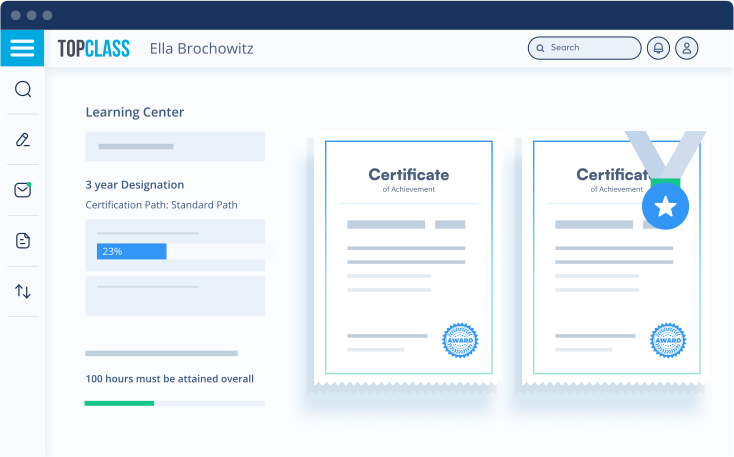
To power your learning program, you’ll need a learning management system (LMS). TopClass explains that an LMS helps deliver and track educational courses and certification programs. By choosing one built for associations, you can deliver a personalized experience that consolidates your association’s training resources into one easily accessible spot. It lets you provide self-paced learning, live webinars, interactive workshops, downloadable templates/worksheets, assessments, and podcasts.

Association Member Expectations Lms Benefits

However you configure your program, aim to help members stay ahead of the curve. Offering valuable learning opportunities turns your association into an indispensable part of members’ careers.

An Active Member Community for Networking

The old style of networking, which often meant trading business cards in a crowded room, has evolved into a search for real community. Members want a space where they can talk shop with people who truly understand the daily grind of their specific niche.

Your association can meet this need by creating valuable networking opportunities, such as:

    • An active online community where members share insights, ask peers questions, and crowdsource solutions to immediate workplace problems.
    • An online directory where they can find nearby members or those in specific roles and message them to build localized networks.
    • Focused interest groups where people feel comfortable asking questions and diving into technical topics.
    • Networking mixers that prioritize structured engagement over small talk to allow for meaningful professional introductions.

Peer-to-peer connections drive people to stay at your organization long-term. By facilitating these connections, you help members find their tribe within the larger industry.

For each of these opportunities, create strategies to fuel connections. For example, Higher Logic’s online community engagement guide recommends publishing seed content in your online forums. To do this, source potential questions from a subset of members (chapter/user group leaders, active members, etc.). Then, your community manager or the members themselves can post the question in your online community to start conversations.

As you try different strategies, pay attention to engagement metrics (like active users, post engagement rate, etc.) to see what’s working.

Meaningful Events for Hands-On Engagement

The bar for association events is higher than ever. Members no longer travel just for information they can find on Google. Instead, they travel for career transformation. If an event feels like a one-way broadcast, there’s a good chance attendees will tune out and skip the next one.


Fill your calendar with a variety of event formats:


    • Conferences and Conventions: Large-scale gatherings focusing on industry-wide learning, high-level networking, and long-term professional growth
    • Networking Mixers: Informal opportunities for members to expand their peer networks
    • Educational Seminars and Workshops: Focused sessions designed for deep-dive skill acquisition and solving specific professional challenges through active learning
    • Trade Shows and Expos: Interactive marketplaces where members can discover the latest products, technology, and services
    • Annual Meetings: Sessions where your association shares progress, elects leadership, and aligns on the strategic vision for the coming year
    • Fundraisers: Events that celebrate the industry and secure financial support for critical advocacy initiatives


While some events may be open to the public, make sure your members-only discounts for those events and members-exclusive events make an annual membership worth it, too.


Offering a mix of high-production events and low-friction local options provides constant engagement and drives greater member retention. By diversifying your event strategy, you can become a year-round presence in your members’ professional lives. When members feel connected through regular events, they’re far more likely to see their membership as a non-negotiable professional asset.

Flexible Memberships to Meet Individual Needs

The one-size-fits-all approach to membership is becoming a thing of the past. Today’s professionals expect options that reflect where they are in their careers, whether they’re young professionals or veteran executives.


Offering flexible membership tiers can help you reach a wider audience. This might mean student memberships, digital-only tiers, or premium tiers for those who want every perk. To price your dues fairly, consider how members perceive your association’s value. You might:


    • Survey members. By asking members to rank the importance of different benefits, you can spot gaps where they feel they’re paying for things they don’t value, allowing you to create targeted, “lighter” tiers.
    • Look at member usage data. Pay attention to popular member benefits. An integrated LMS is particularly valuable here because it provides clear reports on which courses and resources are most popular, helping you decide which features to include in your high-value tiers.
    • Analyze competitors’ strategies. Look at peer organizations to see how they frame their value. Don’t necessarily copy their prices. Instead, analyze them to understand how you can position your unique benefits to justify your own pricing.


After gathering these insights, use them to map specific benefits to distinct member personas. For example, you can bundle high-demand digital resources into an entry-level tier for early-career professionals while reserving high-touch networking and advocacy access for a premium Executive tier that justifies a higher price point.


Flexible membership options let you meet members where they are. Whether they need a full-access pass or a lower-priced basic tier, a flexible approach ensures that your dues always feel like a fair trade for the value they provide.

Wrapping Up

The way people interact with associations is changing, and that’s actually great news for organizations willing to listen! By focusing on career growth, real community, and flexible options, you can build a membership model that people are excited to join.


When you align your strategy with what members actually need today, your association becomes much more than just a line item in a budget. It becomes a vital resource that helps members succeed year after year.

Ready to See What's Next for Your Association?

We help associations achieve results that last — from tripling growth to transforming revenue.

Have questions before we talk? Ask us here.

Can Your Association Prove Its Value?

4 Key Metrics Associations Should Track To Measure Roi
Author: Kristen Wall

Between funding member benefits, new programs, and various marketing initiatives, it takes a significant investment to further your association’s offerings. You can only hope this investment will yield higher member engagement—but how can you know for sure?

Your association’s return on investment (ROI) demonstrates the value derived from each of its expenses. This calculation enables you to make informed financial decisions, set appropriate prices for membership tiers, and justify each of its investments. Ultimately, your association’s ROI can shape its future strategies.

Let’s review the metrics your association should track to measure its ROI.

1. Member Engagement

Engagement levels indicate members’ satisfaction with your offerings. This information allows your association to assess which offerings are worth investing in and where your resources will be best spent. 

However, as Tradewing’s member engagement guide explains, this includes all the ways members interact with your association. Your association must consider numerous forms of engagement—from attending your events to sharing your social media posts.

In other words, your association won’t measure member engagement with one simple formula. Instead, there are a few factors you can track to assess engagement, including:

  • eLearning participation. Determine how engaged members are in your association’s eLearning content. Use an association LMS (learning management system) with reporting and analytics features to track key metrics associated with course performance, such as learner progress and course completion.
  • Event attendance. Do all event registrants follow through with attendance? What percentage of your overall member population participates in events? Use these insights to determine which events yield the most engagement.
  • Email open rates. Tracking members’ responsiveness to your communications can reveal how receptive they are to your messages. You may find that certain email subject lines more effectively garner member attention, or perhaps members are more interested in webinar announcements than your weekly newsletter.

For a comprehensive view of members’ interactions, list all the engagement opportunities your association offers. This list should include everything from liking your social media posts to signing up for your eLearning courses. While no level of engagement is unimportant, this detailed view can also help you meet members where they’re at and develop strategies to increase their engagement.

2. Member Retention Rate

Highly engaged members are more likely to renew their membership to continue reaping the benefits of their involvement with your association. That’s why knowing your member retention rate is critical to delivering the most appealing offerings to your members. 


For example, you might conclude that your events receive high levels of participation and boost engagement. Then, you can focus your efforts on developing and promoting more events to increase member retention rates.


High member retention can help your organization maximize its ROI because:


  • Member retention is more cost effective than acquisition. In other words, you can allocate fewer resources to recruitment efforts and instead rely on steady membership numbers. 
  • Membership renewals offer a consistent revenue stream for your association. With a recurring source of income, your association can cover its operating expenses and even invest in new projects without constantly fundraising.
  • High retention strengthens your association’s community. An active community drives further participation from existing members and can even reach new members by word-of-mouth, allowing your association to grow with minimal investment in recruitment efforts.


Your member retention rate is the percentage of individuals who renew their memberships in a given period. To calculate this percentage, divide the number of renewed members by the number of total members from the previous period, then multiply your answer by 100. 

3. Learning Outcomes

Among the top three reasons members join an association, continuing education opportunities and accessing specialized information are primary drivers. As such, your association must deliver the eLearning content and other educational resources that meet members’ needs. After all, your association needs a compelling value proposition to stand out from the crowd—helping members achieve their goals is a surefire way to make your organization their first choice!

Track learning outcomes to ensure you invest in the offerings that drive members’ personal or professional development goals. This metric evaluates whether learners achieve the intended objective of your courses and helps your association determine whether the content effectively imparts valuable knowledge.

Gather relevant information about learning outcomes from:

  • Course assessments, which test learners’ knowledge before, during, or after a course
  • Certification exams, which allow learners to earn verifiable credentials after completing a course
  • Member surveys, which directly ask members for their opinions and feedback surrounding your learning content

The best way to track this data (and tweak your offerings as needed) is through an LMS with robust reporting and analytics capabilities. According to Blue Sky eLearn’s rundown of LMS features, top-of-the-line solutions enable associations to create custom reports with multiple views. This way, your team can analyze data in a way that makes the most sense for your organization’s unique needs and preferences.

4. Revenue Per Member

Regardless of your association’s membership model, each member contributes to the organization’s financial sustainability in some way. By calculating the revenue earned from each member, you can see the direct financial return on your investment in their membership.


Calculate revenue per member by dividing your total revenue by the number of active members (including membership dues and non-dues revenue, such as event fees, course purchases, and other payments). The higher the revenue you receive from each member, the more you’ll be able to invest in your offerings and the tools needed to deliver them.


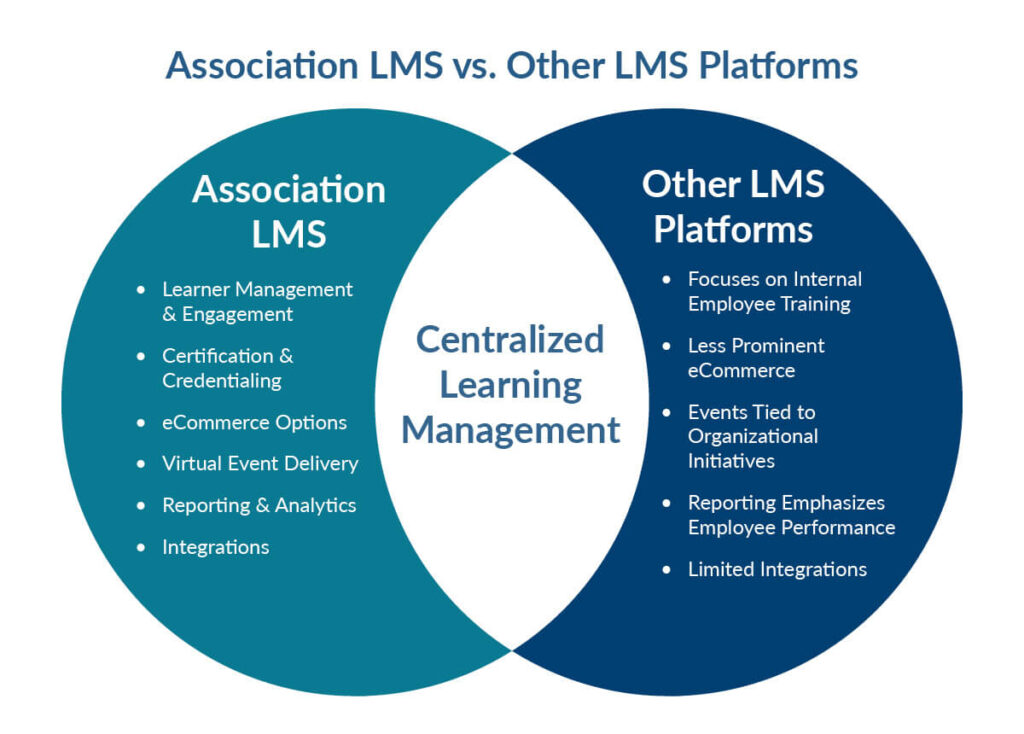
This is one reason that implementing association-specific software is vital to maximizing ROI. Only platforms purpose-built for associations have the tools needed to promote member-specific offerings, collect members’ payments, and track your association’s revenue. For example, consider how an LMS built for associations stacks up against generic platforms.


4 Key Metrics Associations Should Track To Measure Roi 2

An association LMS offers:

  • Learner management and engagement tools. With the right tools to manage learning experiences, your association can track members’ interests and tailor its offerings to meet them. As a result, you’ll drive higher member engagement and retention.
  • Certification and credentialing. As mentioned above, certification programs can increase the perceived value of membership. An LMS that offers these capabilities can help your association increase the value of its membership, and thus, revenue per member.
  • eCommerce options. Your associations can sell eLearning content and additional resources easily through a platform designed to increase non-dues revenue.
  • Virtual event delivery. A platform meant for associations can facilitate ticket sales, sponsorship opportunities, and other key components of your event-related revenue.
  • Reporting and analytics. Your association must be able to track the performance of its offerings to determine how you can optimize your revenue streams. Reporting tools allow you to do just that!
  • Integrations. Integrating your LMS with other association-specific platforms, like association management software (AMS), is essential to facilitating broader service offerings and seamlessly tracking your finances.

In contrast, generic platforms are restricted in their learning content, eCommerce options, integrations, and reporting capabilities. Instead, your association needs a tool meant specifically to track key ROI metrics and implement changes that help you maximize your return.

Your association needs a thoughtful approach when maximizing the return you receive on your investment in member recruitment and retention. By analyzing different aspects of your organization, you can determine your current ROI and identify areas for improvement. 

Keep in mind that monitoring these metrics should be an ongoing process—members’ wants and needs will change, and so should your association’s engagement strategies!

Ready to See What's Next for Your Association?

We help associations achieve results that last — from tripling growth to transforming revenue.

Have questions before we talk? Ask us here.

Member Value Has to Be Too Useful to Ignore

Crafting Irresistible Member Value 4 Steps To Extraordinary Transformation

4 Steps To Creating Irresistible Member Value

Brands like Apple and Amazon have created so much value that consumers can’t get enough of their products and services. Your association needs to offer that same type of value to its members. A look at four ways to do just that.

When discussing member value in associations, we don’t want members to feel like we just gave them a bargain. We want them to love us. We want them to keep coming back. We want to be irresistible. We all have had that experience with brands. Apple products come to mind. (In fact, chances are that you’re using one to read this right now.) For another example, a client once told me: “If Amazon doesn’t sell it, I don’t need it!” That’s irresistible value.

The question is, how do you create that for your members?

The famous brand evangelist Guy Kawasaki said, “If you provide enough value, then you earn the right to recruit new customers.” Think about that in terms of membership—you have to earn the right to recruit new members by delivering enough value to deserve their membership. You must have the right to win.

Imagine a coach watching a player on the field and saying, “That kid has a right to win out there!” They’re saying they are the right player, playing the right game with the right skills for that moment. They’re saying she has the right “way to play.” If your association is the player, there are four steps to finding your “way to play” and creating irresistible member value.

Step One: Narrow Your Focus

If you want to be irresistible, you first need to ask yourself, “Who do I want to be irresistible to?” You don’t have the right to win every game, and you won’t have the right to win every member. The more narrowly you define your target, the more member value you will deliver. That may sound wrong to you. You want as many members as you can get, right? But the way to get (and keep) them is by segmenting them as clearly as possible.

One prominent medical association earned the right to win by segmenting its audience based on their interests. Their research and data analysis revealed that doctors care the most about four things: advocacy, education, practice improvement, and patient outcomes. No matter their age or where they worked, at least one thing mattered greatly to every doctor they spoke to. 

By defining their way to play for each segment, they transformed their membership—and tripled their growth rate—in two years.

Step Two: Find the Unmet Needs

Your audience has many needs, as any member needs analysis will tell you. But one way or another, most of their needs are already met. You will find your right to win in the gaps—the unmet or under-met needs for which there is no other solution. Filling those gaps may be more challenging than it sounds. You must briefly forget your current offerings, have honest conversations with actual members, and listen openly to what they say. 

Their unmet needs may not end up being what you expected.

“The way to get (and keep) members is by segmenting them as clearly as possible.”

An international engineering society did just this. Listening to their members, they heard that industry leaders needed space to collaborate in precompetitive ways on emerging technologies. In its current state, the industry could not legally do this. Stepping up to serve its members’ needs led to the launch of a multimillion-dollar new business.

Step THREE: FOCUS on What's UNIQUE TO YOU

Every organization has unique assets and capabilities, things they have or do that no one else could easily imitate. It could be your reputation. It could be data or information. It could be your ability to bring people together. Your unique assets are the ingredients of your right to win—your best chance of winning is in places where no one else can play.

One global professional society struggling with growth was convinced it needed a new business model. However, an inventory of its capabilities revealed that it could only bring people from around the world across its entire industry together to get things done. Its content and training were excellent but not unique, and its events couldn’t be matched.

They more than doubled their business by doubling down on their power to convene.

Step Four: Choose Your Way to Play

The intersection of unmet member needs and your unique capabilities is the key to your way to play. If you meet the unmet needs of the right members in the right way when no one else can, you will have the right to win their membership. Your member value will be irresistible.

The examples here are real-world stories of associations going beyond giving members a bargain. They provide their members with something they need and cannot get elsewhere. They made themselves irresistible and transformed their businesses in the process.

Ready to See What's Next for Your Association?

We help associations achieve results that last — from tripling growth to transforming revenue.
Have questions before we talk? Ask us here.

Make Your Membership An Offer They Can’t Refuse​

Make Your Membership Into An Offer They Cant Refuse

Author: Lomesh Shah

When it comes to growing your association’s membership base, the first thing you should consider is your offerings. After all, members join your association for benefits, and if you’re experiencing slowed growth, chances are that either your offerings aren’t up to par or you’re not communicating them well. 

When marketing your association, you need a rock-solid membership value proposition, which essentially explains why someone should join your association. You might promote your unbeatable member engagement activities, cutting-edge course offerings, or vibrant community full of networking opportunities. 

To craft a membership offer your association’s audience won’t be able to refuse, explore these top four recommendations for improving benefits and creating a compelling value proposition.

1. Add Member Value, Don't Discount Dues

In a classic supply vs. demand model, the answer to lower demand is to decrease prices. However, lowering your dues rate might be a mistake. After all, if members aren’t finding much value in your offerings when they cost $100, there’s no guarantee they will suddenly become interested in them when they cost $50. By going down this path, associations often end up sacrificing significant revenue with little to show for membership growth.

Of course, this doesn’t mean you shouldn’t reconsider your pricing model to engage and retain members. When it comes to adjusting your membership fees, consider these strategies:

  • Offer discounts to specific audience segments. A more innovative approach is to lower dues for specific segments like students and young professionals who may be more cost-sensitive. This strategy helps fill your association with potential future members who will eventually pay full dues. 
  • Experiment with an open-door membership model. Create a free membership tier with an open-door model. This approach gives free members access to limited benefits so they can see what your association has to offer, and you can entice them to upgrade by promoting gated opportunities. 
  • Provide new member specials. Get new members in the door with special offers and discounts. For example, you could offer a discounted rate for the first year of membership or provide new members with exclusive savings, such as discount codes for courses or ticketed events. 

Remember that lowering costs alone doesn’t automatically make your membership more valuable in the eyes of potential members. To attract members, you need to offer a compelling membership value proposition. 

If you use any of these pricing strategies, leverage your association’s membership software to monitor affected members’ behavior. For instance, you might notice members who take advantage of new member specials leave your association when their discounts expire, signaling a need for stronger long-term benefits. 

2. Bundling Benefits Builds Member Value

Increasing awareness of benefits is crucial; otherwise, they hold no value for members. Lack of awareness of benefits often comes from two scenarios

  • Benefits are not articulated well. If members are unclear what they are purchasing when they buy a membership, they will likely not be able to tap into their benefits. 
  • Benefits are confusing. Sometimes, associations offer so many benefits that members have trouble understanding what their membership level provides, figuring out how to access benefits, and knowing what is valuable to engage with. 

If the second scenario sounds like your association, one solution might be to bundle benefits together into organized membership tiers rather than individual sales offerings. This not only makes high-value opportunities more enticing and accessible but also allows for the removal of outdated benefits that clutter communication with members.

Reframing the concept of “products” to encompass all the ways the organization serves its members opens up opportunities to highlight the value proposition of membership and why potential members should be interested. 

This approach also allows you to highlight the value of offerings you might not be able to sell directly. For instance, you might promote access to your membership network through your community engagement platform as a base-level benefit. 

3. Make Member Value Crystal Clear

Ensuring that membership benefits are well-defined is essential for retaining members. Prospective and existing members can only fully appreciate and take advantage of the value you offer if they are clearly aware of what they receive through their membership. 

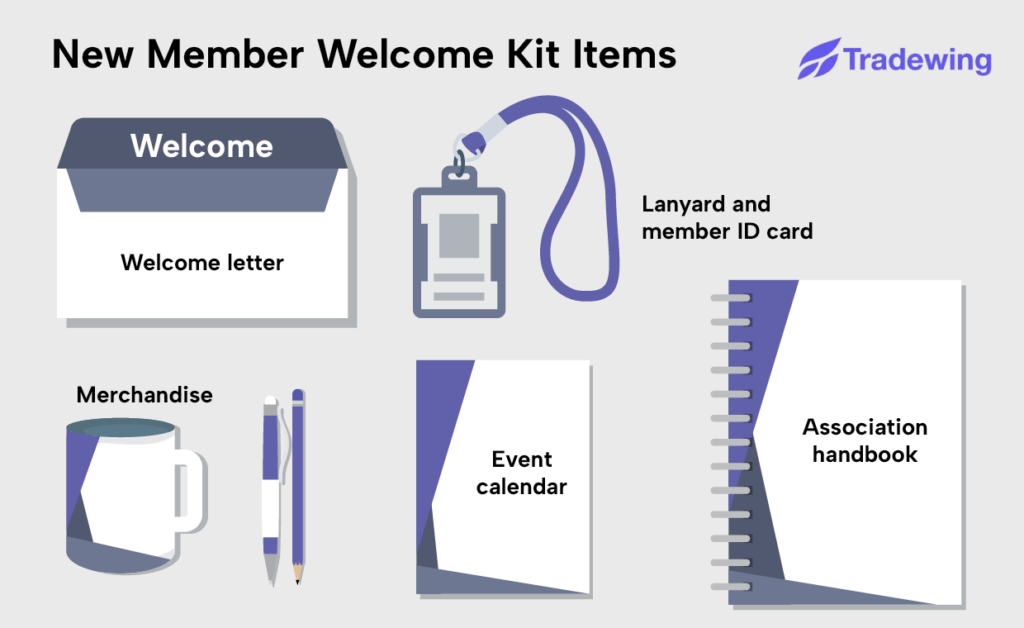
Many organizations that offer membership encounter a challenge in renewing first-year members. Tradewing’s guide to member engagement suggests providing new members with a welcome kit that introduces them to your association and teaches them how to leverage their benefits. A few items you might include in this kit include the following:

Make Your Membership Into An Offer They Cant Refuse
  • Welcome letter
  • Lanyard and member ID card
  • Branded merchandise
  • Event calendar 
  • Association handbook


While your events and association guidelines may change over time, providing initial physical copies can prompt greater initial engagement from new members. Be sure these items also include directions for accessing future benefits. For instance, you might add a QR code for your online event calendar to your printed copy. 

4. Offer a Grace Period

Members will often decide if your association’s benefits are truly worth it when it’s time to renew. Ensure they have plenty of time to thoroughly weigh your offerings by providing a renewal grace period. Additionally, grace periods provide a few other benefits, such as:


  • Time to clear up renewal issues. By providing grace periods, you allow members to rectify any oversights in renewing their membership while still having access to all the benefits and perks associated with their membership. 
  • Multiple chances to renew. Members often lapse because they simply forget to renew. As Fundraising Letters’ selection of membership renewal letter templates explains, it’s highly possible for busy members to miss your email telling them their renewal period is coming up. With an extended grace period, you have multiple opportunities to check in and ensure members don’t lapse due to poor communication.
  • Opportunity for last-minute offerings. Keep an eye on members reaching the end of their grace period, and consider reaching out with special offerings to continue with your association. For example, you might provide them with free membership for the first month of their next year. 


The length of your grace period depends on your association’s membership model and offerings. Some associations might offer just a couple of weeks, while others might provide multiple months before cutting off benefits.


Conclusion: A Membership Value Proposition They Can't Refuse

In conclusion, consider the possibility of a membership value proposition that professionals can’t refuse. With the potential to restructure your current model and create an irresistible offer, your association can capture members’ attention and loyalty. Take advantage of this chance to provide a value proposition that stands out and keeps your community engaged.

Ready to See What's Next for Your Association?

We help associations achieve results that last — from tripling growth to transforming revenue.

Have questions before we talk? Ask us here.

How To Attract & Recruit Younger Members To Your Association

Recruiting Younger Members Feature
Author: Debbie Willis

Gen Z is more connected, tech-savvy, and driven by purpose than generations before theirs. As they enter the workforce, they’re looking for organizations that reflect their values, offer flexibility, and create opportunities for growth. These individuals have high expectations for their memberships. They want meaningful engagement opportunities and a sense of belonging within the communities they join.


Associations like yours are constantly challenged to be relevant to the next generation of potential members. By embracing modern trends, you can create a membership experience that resonates with younger demographics and encourages them to join your program. Let’s explore key strategies for connecting with young professionals.

Focus on Professional Development

LinkedIn’s 2024 Workplace Learning Report found that 8 in 10 people believe learning adds purpose to their work. Today’s employees are seeking out and spending more time on learning and development (L&D) opportunities that:


  • Help make progress towards career goals
  • Keep them up-to-date in their fields
  • Are personalized for their interests and career goals


Gen Z is particularly interested in learning opportunities that fuel professional progress. 53% of Gen Z agreed that learning allows them to explore potential career paths at their companies. That’s 16 percentage points higher than the Millennials, Gen Xers, and Baby Boomers who were surveyed!


L&D is one of the primary reasons people join associations, especially for individuals who are just starting out in the field. It brings them up to speed by offering training that their employers might not provide. 

Creating Your Professional Development Opportunities

Learning comes in many forms! You might provide workshops, mentorship programs, industry reports, or interactive courses that fuel growth. Consider offering a variety of opportunities to cater to different learning styles.


One of the best emerging opportunities is online courses. This form of eLearning combines the power of effective professional development with the convenience of the online space.

Using an association LMS, you can create tailored learning pathways that allow members to chart their own development journeys and choose opportunities that align with their professional goals. You’ll create a structured sequence of courses that guide learners through a specific topic or skill development process. Members can complete courses at their own pace, earn relevant certifications, and ultimately fuel their own development.

How To Attract Recruit Younger Members To Your Association

Let’s say you’re creating a professional development pathway for marketing professionals. You might offer these modules:


  • Module 1: Introduction to Digital Marketing – A course that covers the fundamentals of digital marketing with the goal of understanding key marketing concepts and tools
  • Module 2: Social Media Marketing – A course focusing on social media content creation, paid social ads, and audience engagement strategies
  • Module 3: SEM Strategies – A deeper dive into search engine marketing (SEM) that explores topics like keyword research, on-page SEO, and PPC campaigns
  • Module 4: Data-Driven Marketing – Insights into collecting, analyzing, and using marketing data, covering topics like Google Analytics, data visualization, customer segmentation, and A/B testing
  • Assessment: Marketing Professional Certification – An exam that tests knowledge and skills gained through the pathway in order to earn an official certification


Learning pathways are effective for personalizing engagement opportunities at scale. Depending on your LMS, you might be able to create your own courses or use prebuilt content and resources. You can even offer industry-recognized certifications that appeal to younger members who are looking to improve their resumes.


TopClass recommends choosing an LMS that integrates with other technologies, like your online community platform and member management system. You’ll be able to provide easy access to L&D opportunities, create more tailored learning paths for each user, track progress, and create collaborative learning experiences.

Embrace Digital Transformation

Younger generations prioritize convenience, flexibility, and accessibility, which makes embracing digital tools crucial for associations.


Digital engagement opportunities break down geographical barriers and offer instant access to content, making it easier for members to participate on their terms. By adopting these tools, associations can better reach younger members who value efficiency and on-demand access.


Digital transformation doesn’t stop with eLearning, so let’s explore some additional digital engagement opportunities for connecting with younger generations.

Online Events

Virtual events and webinars provide an accessible way to engage members without the barriers of location or travel costs. These events can be accessed from anywhere, at any time, offering a convenient option for busy, tech-savvy members.


If you have an online community, you can create a dedicated space where members can register for upcoming events, join live sessions, and view recorded content. Consider hosting different types of online events that provide value to members, such as industry-specific webinars, career development workshops, networking events, or panel discussions.


Make these events interactive by offering opportunities like:


  • Breakout rooms for smaller, focused discussions that allow attendees to network or dive deeper into specific topics in an intimate setting.
  • Chat functionality to allow participants to share thoughts, ask questions, and interact with speakers and fellow attendees.
  • Live polling to encourage members to voice opinions or participate in fun quizzes during sessions.


Virtual event tools like Zoom offer these interactive features, helping you create more engaging event experiences.

Mobile App

Younger generations value the flexibility that their mobile devices offer. A mobile app for your association allows members to engage in discussions, browse events, and access learning materials anytime, anywhere on their smartphones.


With a mobile app, members can take courses, track their progress, or complete certifications on the go, so they can integrate learning into their daily routines. For younger, tech-savvy members, this flexibility is a key draw.


Clowder highlights several mobile app features for associations that draw engagement, such as:


  • A newsfeed to keep members updated with the latest announcements and content related to their interests
  • A resource library to access whitepapers, case studies, courses, and other educational materials
  • Member forums that allow members to discuss topics, share knowledge, and solve problems together
  • One-to-one messaging that enables members to connect with others directly, share opportunities, and seek advice
  • Group and chapter segmentation to organize members based on geographic area and professional interests, which is great for fostering micro-communities within your association
  • Event and conference management so members can discover, register, and plan out their participation in your association’s events.


You’ll also be able to send push notifications to keep members informed about new courses, upcoming events, or other important updates. With timely reminders and updates, they’ll never be out of the loop!

Offer Flexible Membership Options

Younger members often have different needs when joining associations, such as affordability, flexibility, and the opportunity to explore membership benefits before committing. To make a membership offer that younger generations can’t refuse, you’ll need to consider these needs and preferences.


You might implement tiered membership options, allowing members to choose the level of benefits that best suit their preferences and budget. For example, a basic tier could offer access to essential resources, while a premium tier could provide additional perks like exclusive content or networking opportunities. Additionally, offering discounts to students or early-career professionals can make membership more accessible to younger members who may be on a tighter budget.


To take flexibility one step further, consider offering shorter commitment periods, such as a six-month trial membership. This gives newer members the chance to determine your association’s value before committing to a longer-term membership.

Younger members often have different needs when joining associations, such as affordability, flexibility, and the opportunity to explore membership benefits before committing. To make a membership offer that younger generations can’t refuse, you’ll need to consider these needs and preferences.

You might implement tiered membership options, allowing members to choose the level of benefits that best suit their preferences and budget. For example, a basic tier could offer access to essential resources, while a premium tier could provide additional perks like exclusive content or networking opportunities. Additionally, offering discounts to students or early-career professionals can make membership more accessible to younger members who may be on a tighter budget.

To take flexibility one step further, consider offering shorter commitment periods, such as a six-month trial membership. This gives newer members the chance to determine your association’s value before committing to a longer-term membership.

Foster a Sense of Community

For many younger professionals who are just entering the field, forming connections and building a network is a major benefit of association membership. A strong sense of community provides a support system and helps them navigate their careers with greater confidence.


An online community is an invaluable tool for fostering this sense of belonging. It serves as a one-stop shop for association activities, including events, networking, membership management, and learning opportunities. By centralizing these opportunities into one platform, you make engaging with your association’s community a breeze!


When implementing your LMS, check whether it offers social learning features, such as discussion forums or group collaboration. This enables members to connect over shared learning experiences and helps build a supportive community that keeps younger members engaged in your association.


In addition to online opportunities, you might offer social events, such as informal meetups, networking events, and community volunteer opportunities. Forming interest-based groups or committees also gives members a chance to collaborate on shared goals and passions.

Start Improving Your Membership Program!

The future of your association lies in the hands of the next generation of leaders. Younger professionals have different preferences, values, and expectations from older generations. To remain relevant and grow, your association should evolve its strategies to meet these needs.


By focusing on the elements we suggested, you’ll create unique value that younger professionals won’t want to pass up. 


Get started by evaluating your current opportunities. Do you provide plenty of online opportunities, particularly for learning? Are your membership options flexible? Can you do more to create a vibrant community? Focus on improving one of these areas to start and watch as your members become more active!

Ready to See What's Next for Your Association?

We help associations achieve results that last — from tripling growth to transforming revenue.

Have questions before we talk? Ask us here.

Member Engagement and Retention: What Actually Drives Renewal

Member Engagement And Retention

Member engagement and retention are the ultimate weapons in the battle for long-term success. Without a loyal and actively involved base, even the most well-intentioned organization can struggle to grow or sustain itself. This article steps up to be your champion in this fight, offering a treasure trove of insights and strategies to turn passive members into enthusiastic participants.

Defining Engagement: Beyond Participation

Engagement goes far beyond the act of simply showing up. It’s a dynamic two-way street where both the organization and its members actively contribute and receive value. This exchange can manifest in many ways, fostering a sense of connection and belonging within a thriving community.

Recognizing this multifaceted nature of engagement is the key to unlocking a more involved and invested membership base. By understanding how members can contribute value, organizations can cultivate a more profound sense of connection and, ultimately, achieve their growth objectives.

Engagement transcends mere participation. It's a two-way street where an organization and its members exchange value.

The Value Hierarchy of Engagements

Not all engagement activities are created equal. On one hand, high-impact, infrequent events like annual conferences offer substantial value. These gatherings provide opportunities for in-depth learning, networking with peers, and fostering a sense of community. However, these events typically occur only once a year, limiting their overall impact on engagement. Conversely, low-impact, frequent actions like receiving newsletters may not generate significant engagement on their own. 

The critical challenge for organizations lies in identifying the sweet spot – activities that contribute most significantly to member value and influence membership renewal. This requires a shift in perspective, moving beyond simply counting the number of engagements to understanding their depth and impact. 

Organizations can uncover hidden gems by analyzing data on member activity and its correlation with renewal rates. For example, volunteering opportunities or participation in advocacy efforts, while less frequent than attending a webinar, might demonstrate a more profound member commitment and positively influence renewal decision.

Measuring Engagement with Precision

While offering a starting point, traditional surveys are limited in capturing the full spectrum of member engagement and retention. Imagine relying solely on surveys to gauge a student’s performance—you might miss valuable insights from class participation or project work. Similarly, surveys can miss subtle engagement cues that paint a more accurate picture.

This is where data-driven analysis enters the game, providing a far more nuanced picture. Organizations can uncover hidden gems by examining the frequency of member activities and their correlation with renewal rates. Think of it like this: Surveys ask members, “How engaged do you feel?” while data analysis shows you, “What actions demonstrate true engagement?” Analyzing website visits, event attendance, volunteer sign-ups, and even content downloads paints a more complete picture of how members interact with the organization.

This data can then be used to create an “engagement scorecard.” This scorecard goes beyond a simple yes/no response and assigns a value to each activity based on its frequency and correlation with member renewal. The scorecard empowers organizations to move beyond a one-size-fits-all approach and tailor their strategies to activities that genuinely resonate with their members, fostering long-term engagement and a thriving membership base.

Not all engagement activities are created equal.

High-Value Engagement Actions: Where the Magic Happens

Certain actions consistently emerge as the heavy hitters of member engagement and retention, offering significant value and fostering deeper connections. These high-value engagements include:

    • Personal interactions through local chapters: Face-to-face interactions in local chapters create a sense of community and belonging. Members can connect with peers, share experiences, and receive personalized support, fostering a deeper loyalty to the organization.
    • Volunteering: Volunteering allows members to contribute their skills and expertise to a cause they care about. This two-way street strengthens member commitment and builds a stronger sense of ownership within the organization.
    • Advocacy efforts: Participating in advocacy campaigns allows members to collectively have their voices heard on issues that matter to them. This active participation fosters a sense of purpose and strengthens the bond between members and the organization they represent.
    • Interestingly, recurring engagements like specialized insurance purchases also rank highly as high-value actions.

This finding challenges the conventional wisdom that discounts and one-off events are the key to member engagement and retention. While these tactics still have a place, the data suggests that members value benefits that seamlessly integrate with their daily lives and provide ongoing value.

Strategies for Supercharging Member Engagement and Retention

Enhancing member engagement and retention requires a strategic shift, starting with a comprehensive audit of your current offerings. Think of it like revamping your product line – you need to identify what resonates with your members and what’s gathering dust on the shelf. This audit analyzes member activity data and its correlation with renewal rates. By understanding which activities generate high engagement and contribute most to member retention, you can prioritize these “star performers.” 

On the other hand, the audit might reveal some low-engagement benefits. These could be generic discounts on unrelated products or access to infrequently used resources. Instead of clinging to these underperformers, organizations should consider strategically reallocating resources. Phasing out low-engagement benefits frees up valuable budget and human resources that can be channeled towards more impactful initiatives.

Organizations can create a balanced engagement portfolio by prioritizing high-value benefits and strategically reallocating resources. This portfolio caters to diverse member needs and preferences, ensuring a year-round engagement cycle that keeps members actively involved and invested in the organization’s success. Imagine a membership experience that goes beyond one-off events – it’s a dynamic ecosystem offering ongoing value, fostering continuous interaction, and ultimately driving member retention.

Engagement for New vs. Tenured Members

Engagement strategies shouldn’t be a one-size-fits-all approach. Like nurturing a plant, member engagement thrives when tailored to the member’s lifecycle stage.

New Members (First 90 Days): Imagine a new member as a seedling – full of potential but needing careful attention to establish strong roots. This is a critical period for setting the stage for long-term engagement. Organizations should implement a targeted onboarding program during the first 90 days. Techniques like personalized welcome emails, phone calls, or access to online resources like FAQs or video tutorials can empower new members with the knowledge they need to navigate the organization’s offerings. 

Tenured Members: Think of tenured members as established trees that provide shade and stability to the organization. However, even established trees need occasional pruning and care to flourish. For these members, the focus shifts towards deepening their connection and maximizing their value to the organization. Targeted email series can be used to share exclusive content, industry updates, or member success stories, demonstrating the organization’s value proposition and keeping them actively involved. 

By tailoring strategies to each lifecycle stage, organizations can nurture a thriving membership ecosystem, fostering ongoing engagement and loyalty from both new and established members.

The ultimate goal is to construct a high-engagement portfolio that maximizes member value and drives renewal rates.

Building a Thriving Engagement Portfolio

The ultimate goal is to construct a high-engagement portfolio, a collection of membership benefits and programs that truly resonate with your members. By prioritizing engagement, you can maximize the value members perceive from their membership, ultimately driving renewal rates and securing a loyal base.

Here’s how this approach works:

    • Member-centric focus: Shift the focus from simply offering benefits to strategically evaluating each based on its ability to drive member engagement and retention. This means understanding what truly motivates your members and prioritizing benefits that align with their needs and interests.
    • Data-driven decisions: Don’t rely on guesswork. Utilize surveys, feedback mechanisms, and analytics to score each benefit based on engagement value. This data will guide you in allocating resources towards the most impactful offerings.
    • Enhanced member experience: Members who find value and purpose in their membership are more likely to stay engaged. A high-engagement portfolio fosters a sense of satisfaction and belonging, leading to a more positive overall membership experience.
    • Organizational growth: A high-engagement portfolio prioritizes member needs and fosters loyalty, resulting in a stronger organization. Increased retention rates mean sustainable revenue streams, which in turn fuel the further development of member-centric programs and services.

Conclusion: A Blueprint for Success

Member engagement and retention isn’t a one-size-fits-all tactic; it’s a dynamic and multifaceted process. Think of it like cultivating a thriving garden – you need to understand the soil, choose the right plants, and provide ongoing care. Similarly, successful member engagement and retention requires a strategic and data-driven approach.

These insights offer a valuable blueprint for revitalizing organizations’ engagement efforts. By fostering a deep understanding of your members and prioritizing high-impact activities, you can cultivate a vibrant and engaged membership base that thrives for years to come.

Call to Action

Evaluate your organization’s current member engagement and retention strategies and consider implementing the abovementioned approaches. Focusing on high-value engagements and strategically enhancing your engagement portfolio can lead to sustained growth and a more engaged membership base.

Ready to See What's Next for Your Association?

We help associations achieve results that last — from tripling growth to transforming revenue.
Have questions before we talk? Ask us here.